
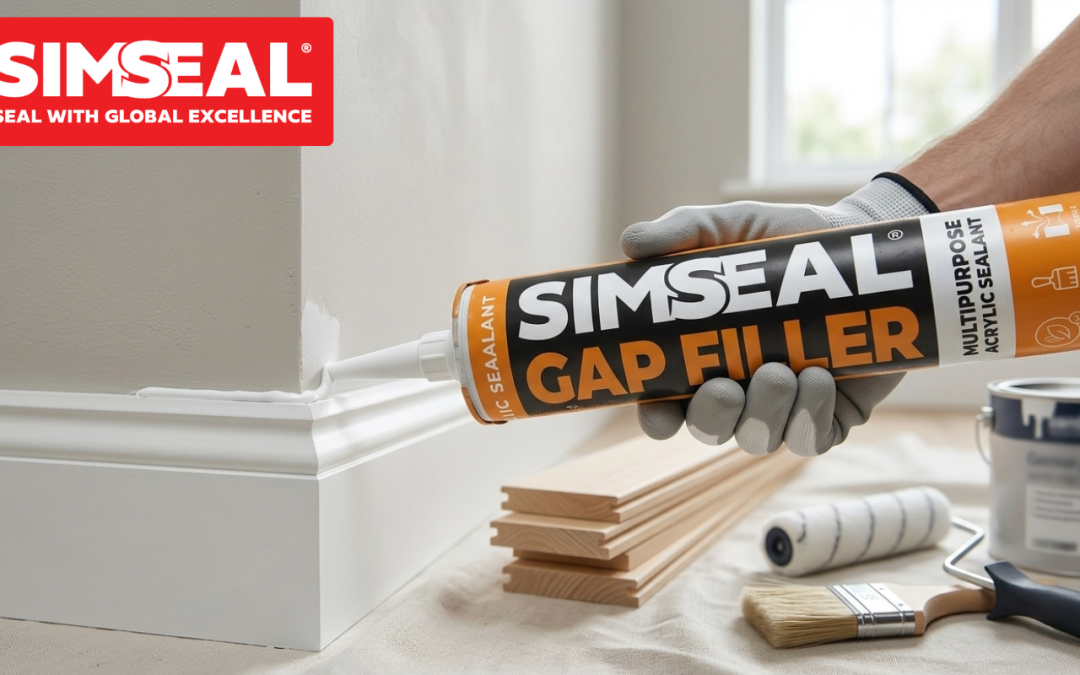
Choosing the right paintable gap filler makes or breaks your interior finish. For site supervisors and foremen specifying materials, Gap Filler ticks every box for professional results that last.
Here’s what to look for when ordering your next interior gap filler.
Why Paintable Gap Fillers Matter
Traditional putties crack and fall out when buildings move. Modern acrylic sealants for walls flex with the structure, keeping paintwork intact and clients happy.
Gap Filler offers superior flexibility and adhesion, no more callbacks for cracked architraves or failed window seals.
5 Must-Have Features
1. Movement Capability
Building materials expand and contract. Your sealant must keep up.
-
What to order: Look for ±12.5% movement capability minimum.
-
Why Gap Filler: It stretches and compresses without cracking or losing grip.
2. Paint Compatibility
Not all sealants take paint well. Some bleed, bubble, or reject coatings.
-
What to specify: A true paintable gap filler that accepts water-based and oil-based paints.
-
Why Gap Filler: It paints over seamlessly, no discolouration, no poor adhesion. Perfect for matching trims and walls.
3. Low VOC Compliance
Indoor air quality matters on every job site.
-
What to check: Low VOC certification for safer occupied spaces.
-
Why Gap Filler: Complies with low VOC standards, safe for residential and commercial interiors.
4. Easy Application & Cleanup
Time is money. Complicated products slow crews down.
-
What to demand: Smooth application and water cleanup.
-
Why Gap Filler: Tools clean with water. No harsh solvents needed. Crews work faster.
5. Strong Substrate Adhesion
Your interior gap filler must stick to everything on site.
-
What to verify: Bonds to timber, concrete, metal, PVC, plasterboard, and stone.
-
Why Gap Filler: Adheres to porous and non-porous surfaces. One product, multiple applications.
Where to Use It
Gap Filler works across standard interior applications:
| Area | Purpose |
|---|---|
| Door & window frames | Block drafts, seal gaps |
| Skirting boards | Floor-to-wall junctions |
| Cabinetry | Built-in units and wardrobes |
| Architraves | Trim gaps and corners |
| Plasterboard joints | Crack prevention |
| General caulking | Minor gaps and repairs |
Application Tips for Foremen
-
Surface prep: Dry, clean, grease free surfaces
-
Minimum bead: 3mm for movement accommodation
-
Deep joints: Use backing material over 10mm depth
-
Masking: Tape for neat edges, remove before skinning
-
Tooling: Smooth immediately after application
-
Curing: Allow full cure before painting
What to Avoid
Gap Filler suits most interiors, but don’t use it for:
-
Below waterline or permanent immersion
-
Traffic areas subject to abrasion
-
Joint movement over 12.5%
-
Outdoor application if rain expected within 2 hours
Why Specify Gap Filler
For site supervisors ordering materials, Gap Filler reduces risk:
-
One SKU covers multiple applications
-
Australian packed, reliable local supply
-
Proven performance, no surprises on site
-
Painter-friendly, accepts all standard coatings
Stock Gap Filler and streamline your paintable gap filler Australia orders.
Contact Our Team
For Orders & Specifications:
📞 1300 SILICONE (1300 745 426)
📧 info@simseal.com.au
📍 Unit 8/33-43 Meakin Road, Meadowbrook QLD 4131
Quick Links:
Specify with confidence. Order Gap Filler — the acrylic sealant for walls that Australian site supervisors trust.
Recent Comments