
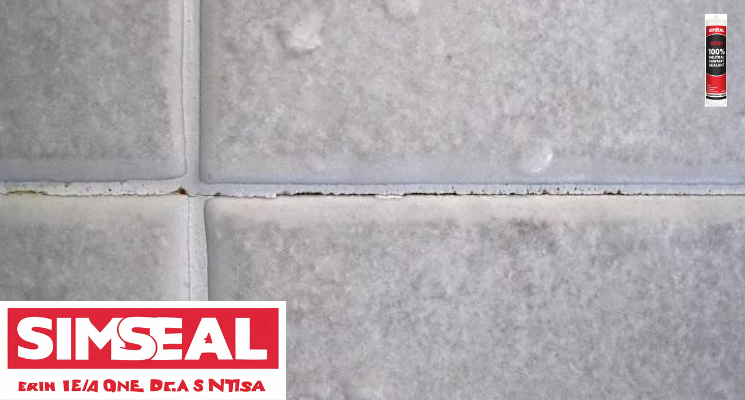
Learning to seal internal joints properly with silicone sealant ensures professional looking results that last. Whether you are working on bathrooms, kitchens, or other interior spaces, quality silicone sealant provides the flexible, waterproof barrier needed to protect your home. This guide covers essential techniques for perfect internal joint sealing with silicone sealant.
Understanding Internal Joint Types
Different internal joints require specific silicone sealant approaches. Movement joints need flexible silicone sealant that can expand and contract. Static joints benefit from standard silicone sealant. Wet areas demand waterproof silicone sealant with mould resistance. Always assess your joint type before selecting silicone sealant.
Essential Preparation Steps
Proper preparation ensures silicone sealant adheres correctly and lasts for years. First, remove any old sealant using a utility knife. Clean the joint thoroughly to remove dust and grease. Ensure surfaces are completely dry before applying new silicone sealant. Check the product TDS for specific surface preparation requirements.
Choosing the Right Silicone Sealant
Select silicone sealant based on your project needs. For bathrooms, use waterproof silicone sealant like SS100 Wet Area. For kitchens, choose heat resistant silicone sealant. Natural stone surfaces require specialised silicone sealant. Always consult the Technical Data Sheet (TDS) and Safety Data Sheet (SDS) before purchasing silicone sealant.
Recommended Simseal Products
-
SS100 Wet Area – Perfect for bathroom joints
-
Natural Stone – Ideal for stone surfaces
-
Multi Purpose – Great for general internal joints
Application Techniques for Perfect Results
Apply silicone sealant using steady, consistent pressure. Cut the nozzle at a 45 degree angle for optimal bead control. Fill joints completely with silicone sealant, ensuring no gaps or air pockets. Maintain a consistent speed while applying silicone sealant for even coverage. Work in manageable sections for best results.
Finishing and Tooling Methods
Tool silicone sealant immediately after application. Use a professional tool or finger dipped in soapy water. Smooth the silicone sealant to create a concave finish. Remove excess silicone sealant promptly. Proper tooling ensures the silicone sealant adheres properly and looks professional.
Matte Finish for Modern Interiors
For contemporary interiors, consider silicone sealant with matte finish. This innovative formulation creates a non reflective, velvety surface that blends discreetly with modern fixtures. Matte finish silicone sealant offers the same waterproofing and flexibility as traditional options while providing superior aesthetics. It resists dirt and water marks, maintaining its appearance over time.
Curing and Drying Times
Allow silicone sealant to cure properly. Refer to the TDS for specific cure times. Most silicone sealant products require 24 hours for full curing. Maintain good ventilation during silicone sealant curing. Avoid disturbing joints while silicone sealant sets.
Common Mistakes to Avoid
-
Do not apply silicone sealant to dirty or wet surfaces
-
Avoid stretching the silicone sealant bead during application
-
Do not skip the tooling process with silicone sealant
-
Never use expired silicone sealant products
-
Always follow the SDS safety guidelines when handling silicone sealant
Maintenance and Care
Proper maintenance extends silicone sealant life. Clean sealed joints regularly with mild detergent. Avoid abrasive cleaners that could damage silicone sealant. Inspect silicone sealant periodically for signs of wear. Reapply silicone sealant when necessary to maintain protection.
For professional results with internal joint sealing, visit Seal’em Solutions. Our experts provide quality Simseal products and technical support for all your silicone sealant needs.
Need Pricing or Bulk Orders?
Get a free, no obligation quote today.