
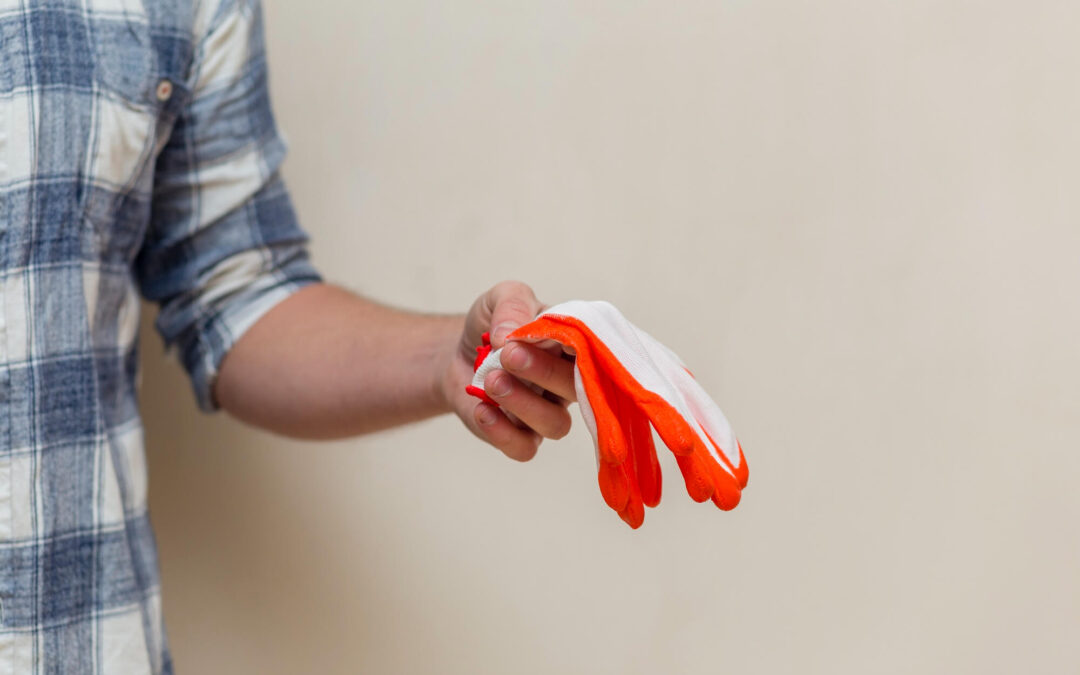
How to Stop Silicone Sealant Sticking to Skin? There is nothing more frustrating than finishing a sealing job only to find silicone stuck to your hands, under your nails, and smeared everywhere you did not want it. Silicone sealant is designed to stick permanently to surfaces, which makes it incredibly difficult to remove from skin. Fortunately, with the right preparation and techniques, you can avoid this messy problem altogether.
Why Silicone Sticks to Skin So Well
Silicone sealant forms a strong, flexible bond that is highly resistant to water, temperature changes, and many chemicals. Once it cures on your skin, it essentially becomes a rubbery second skin that will not wash off with soap and water. The key is to prevent it from making contact in the first place or to remove it before it fully cures.
Prevention is Better Than Cure: 5 Pro Tips
1. Wear the Right Gloves
The most effective solution is to create a barrier between your skin and the silicone.
-
Disposable Nitrile Gloves: These are your best option. They are flexible enough to maintain dexterity while providing full protection. Avoid latex gloves, as some silicone sealants can degrade them.
-
Barrier Creams: If you cannot wear gloves, apply a heavy-duty barrier cream to your hands before starting. This fills pores and creates a protective layer that makes cleanup easier.
2. Master the No-Mess Application
A clean application means less cleanup.
-
Use a quality drip-free caulking gun to prevent oozing and unexpected drips.
-
Keep a roll of masking tape handy. Tape off the areas on either side of the joint for a perfectly straight, clean line and to protect surrounding surfaces.
-
Have a bucket of soapy water and a cloth nearby. A few drops of dish soap in water is perfect for tooling the bead and wiping up smears immediately.
3. The “Wet Finger” Technique for Tooling
After applying the bead, you need to smooth it for a professional finish. Instead of using a dry finger, dip your finger in the soapy water first. This creates a lubricating layer that prevents the silicone from sticking to your skin.
4. Clean Tools Immediately
As soon as you finish tooling the bead, wipe your smoothing tool and any other equipment with a rag before the silicone has time to cure. Once cured, it is much harder to remove.
5. Keep Solvent Handy for Accidents
Despite your best efforts, accidents happen. Have a specialised silicone sealant remover or isopropyl alcohol ready to tackle fresh smears before they cure.
What to Do If Silicone Gets On Your Skin
If you do get silicone on your skin, act quickly. Always check the product’s Safety Data Sheet (SDS) for first-aid measures and recommended cleaning procedures.
-
Act Before It Cures: Un-cured silicone is much easier to remove. Wipe off as much as possible with a dry paper towel or rag.
-
Use an Oil-Based Product: Rub vegetable oil, baby oil, or petroleum jelly onto the affected area. The oil helps to break down the silicone. Let it sit for a few minutes.
-
Gently Wipe and Wash: Use a cloth to wipe away the oil and the softened silicone. Follow up by washing your hands thoroughly with soap and water.
-
For Cured Silicone: If the silicone has already cured, you can try gently rubbing the area with a pumice stone during a warm shower to slowly exfoliate it away. Be very gentle to avoid irritating your skin.
Quality Products for a Cleaner Job
Using a high-quality sealant can also make the process cleaner. Products with consistent viscosity are less likely to drip and are easier to control. Here are five reliable Simseal products for various applications:
-
SS100 Wet Area – Perfect for bathrooms where precision is key. Its smooth extrusion helps maintain control.
-
S50 Roof, Glass & Gutter – A tough, general-purpose sealant ideal for outdoor jobs where over-application can happen.
-
Multi Purpose – A versatile and cost-effective option for general repairs. Remember to check its SDS for ventilation requirements.
-
Natural Stone – Designed for delicate surfaces, its controlled application helps prevent messy clean-up on expensive stone.
Safety First: Always Check the SDS
The Safety Data Sheet (SDS) is a crucial document for any product. For skin contact, the SDS provides specific first-aid information, telling you exactly what to do if sealant gets on your skin or in your eyes. A quick review before you start your project ensures you are prepared for any accidents.
Conclusion
The battle against sticky silicone is easily won with a bit of preparation. By wearing gloves, using the wet finger technique, and cleaning as you go, you can achieve a professional-looking seal without the messy aftermath. Investing in quality products and understanding their properties through the TDS and SDS makes any DIY or professional job smoother and safer.
For innovative sealing solutions and expert advice, visit Seal’em Solutions. Our team provides the materials and expertise that power modern sealing technologies.
Recent Comments